
If you’ve ever appreciated slow-cooked food or a carefully crafted piece of art, you’ll understand the value of intention. Time isn’t wasted it’s what gives the experience depth. Every ingredient is chosen mindfully. Every brushstroke is deliberate.
Slow media follows the same principle. It isn’t about speed or volume, but about attention, presence, and meaning. It’s not designed to be skimmed or rushed, but to be experienced fully.
In a world that rewards immediacy, slow media quietly reminds us that depth still matters, and that the same mindset is becoming increasingly valuable in how we learn, think, and lead at work.
After the pace of January… the plans, the targets, the push to get moving, February often feels different. It’s usually the month when things quieten just enough for a question to surface:
Are we actually thinking well, or just moving fast?
Lately, we’ve been noticing something interesting. In a world that moves faster than most of us can consciously track, people are choosing to slow down – not in dramatic, life-changing ways, but in small, intentional ones.

We see it in everyday habits:
- Picking up long-form essays again
- Listening to full albums, start to finish
- Returning to vinyl, film photography, printed books
- Subscribing to thoughtful newsletters
- Spending an hour with a podcast, not five minutes with a feed
- Sitting with stories instead of skimming headlines
This isn’t resistance to progress.
It feels more like a recalibration.
And it says something important about how we think, learn, and engage, not just as consumers of culture, but as humans at work.
Why Slow Media Is Back
The resurgence of slow media isn’t nostalgia for the sake of it. It’s a response to saturation.
Digital platforms gave us speed, access, and abundance. But abundance also brought fragmentation, of attention, of thinking, of presence.
Slow media offers something different:
- Immersion instead of interruption
- Continuity instead of constant switching
- Meaning instead of metrics

It asks us to stay. To listen. To reflect.
No surprise, then, that vinyl sales have continued to grow year after year, with tens of millions of records sold globally, or that long-form newsletters and independent publishing platforms now attract millions of dedicated readers. Even film photography, once written off as obsolete, has found new life among younger generations seeking craft, patience, and intentionality.
More and more, depth of attention has become a kind of quiet currency.
What Slow Media Gives Us That Speed Can’t
Ever sat on a long train ride or waited at an airport gate and noticed what people do when time stretches?
Some scroll. But many choose something different. A book pulled from a bag. A long podcast downloaded in advance. Notes being written, not typed. Headphones on, distractions out.
These moments aren’t accidental. When people know they have uninterrupted time, many instinctively reach for depth, because choosing depth, over fragmentation, is often the wiser use of attention.

It’s a small but telling behaviour. When speed is no longer required, the mind seems to seek meaning.
Slow media doesn’t just change what we consume, it changes how our minds work.
Long-form reading strengthens focus and comprehension. Extended listening trains patience and deep listening. Immersive stories build empathy and perspective.
Neuroscience and literacy research consistently shows that deep reading activates parts of the brain linked to:
- reflection
- emotional understanding
- critical thinking
- imagination
In other words, the very skills that technology can’t automate.
“When we read deeply, we don’t just absorb information, we experience other ways of being.”
This kind of engagement isn’t about efficiency. It’s about capacity.
Why This Matters at Work
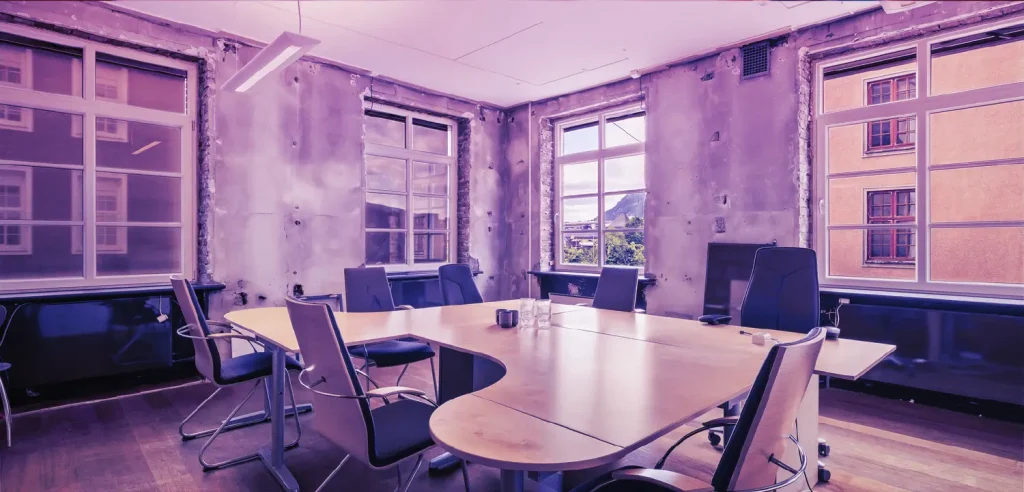
Work today is complex. Leaders are navigating ambiguity, constant change, and competing priorities. Clear thinking, deep listening, and sound judgement have become essential.
This is where slow media intersects with learning and leadership.
Learning experiences designed for depth allow ideas to settle, create space for reflection, and support real behavioural change not just awareness. Learning sticks when people have time to think, question, and integrate, not just consume.
A place where people can think without urgency
Longer learning formats, whether programmes, mentoring relationships, reflective practice, or extended development journeys, give people something increasingly rare: time to integrate.
And integration is where growth happens.
Not everything needs to be fast to be effective. Some things need to be absorbed. Holding Speed and Depth Together
This isn’t about removing speed from work. It’s about balance.
Leaders can create room for depth by protecting thinking time, investing in longer learning journeys, normalising reflection, and modelling presence through how they listen and decide.
The return of slow media isn’t a rejection of the modern world. It’s an acknowledgement that humans still need depth to grow.
Because while tools may help us move faster, it’s thinking well, learning deeply, and leading with presence that will continue to set people (and organisations) apart.
In a world that rewards speed, depth has become a quiet advantage.
At Simitri, this belief shapes how we design learning experiences: creating space for reflection, integration and real behavioural change, not just faster consumption.
If this resonates, we’ve created a short reflection guide to help you explore where depth could make the biggest difference in how you work and learn.